 By
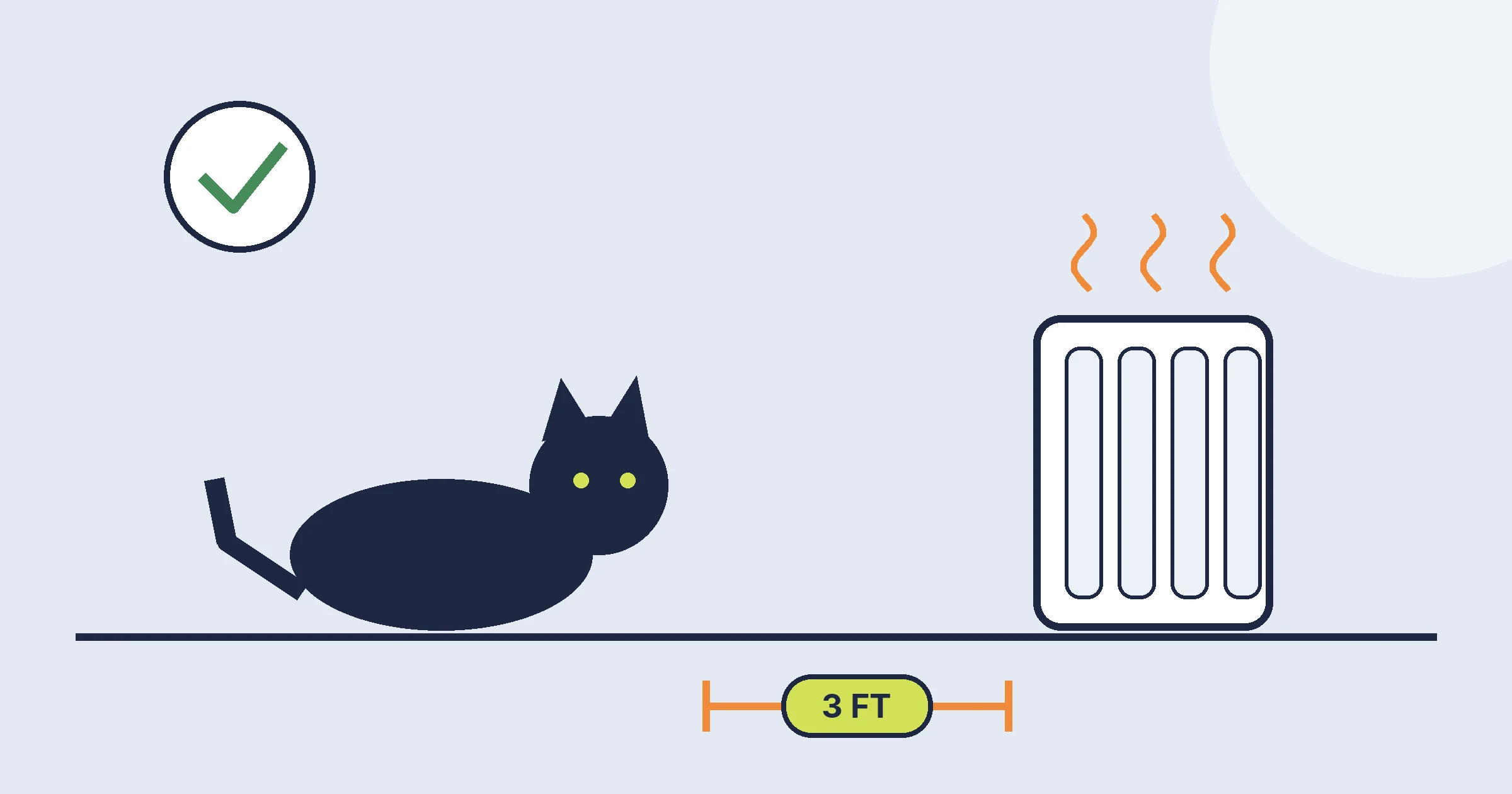
Short answer: a space heater can be used safely in a home with pets if it has tip-over and overheat shut-off, a cool-touch case, sits on a hard floor 3 feet from anything that can burn and is plugged straight into the wall. Never leave a heater running with pets alone in the room. For a pet who loves warmth, a heated or self-warming pet bed is safer than a heater they can lie against.
The real risks
| Risk | How it happens | Who is most at risk |
|---|---|---|
| Burns | Lying against a hot grille, or long exposure close to the heat | Cats, senior dogs, short-coated and small dogs, pets who cannot move away easily |
| Fire | A tail, blanket or bed pushed against the heater; a heater knocked over | Any home with a playful dog or curious cat |
| Chewed cords | Puppies and kittens chewing a live cord | Young pets, rabbits |
| Overheating and dehydration | Small closed rooms, crates next to a heater | Flat-faced breeds, senior pets, pets in crates |
Pets do not always move away from heat in time. Cats in particular seek out warmth and can doze with fur against a hot surface. Older pets, and pets with arthritis or reduced sensation, are slower to react.
12 rules for space heaters in a home with pets
- Buy a heater with tip-over and overheat shut-off. A wagging tail or a jumping cat will knock a heater over sooner or later.
- Choose a cool-touch case and a grille small enough that a paw or nose cannot reach the element.
- Look for a safety certification mark (UL, ETL or CSA) on the heater itself.
- Keep 3 feet clear on all sides: no pet beds, blankets, curtains or toys.
- Put it on a hard, level floor, never on a rug, bed or chair.
- Plug it straight into the wall. No extension cords or power strips.
- Hide or cover the cord with a cord protector if you have a chewer.
- Never leave it running with pets alone, including overnight or while you are at work.
- Never put a heater next to a crate. A crated pet cannot move away from the heat.
- Block access with a pet pen or gate if your pet will not stay away.
- Keep water nearby in heated rooms; dry, warm air dehydrates.
- Test your smoke alarms monthly during heating season.
Which heater types are safest with pets?
| Type | Pet safety | Watch out for |
|---|---|---|
| Oil-filled radiator | No exposed element or glowing coils; slow, even heat | Fins and surface still get hot; heavy, so a large dog can still tip a light one |
| Ceramic fan heater with cool-touch case | Small grille, quick shut-off; tower models keep heat higher up | Hot air from the front grille; light and easy to knock over |
| Infrared or quartz heater | Warms people directly | Glowing elements and hot glass on many models; pets may lie too close |
| Fuel-burning (propane, kerosene) | Not recommended indoors with pets | Open flame, carbon monoxide |
Signs of burns and overheating
- Singed or discolored fur, a burning smell, red or blistered skin, or a sore spot your pet keeps licking.
- Heavy panting, drooling, restlessness, weakness or bright red gums after time near a heater.
What to do: move your pet away from the heat, cool small burns with cool (not ice-cold) water, and call your veterinarian. Burns can look minor at first and get worse over a few days. For a fire, get people and pets out and call 911.
Safer ways to keep pets warm
- A heated pet bed runs at a low, set temperature close to your pet’s body heat. Our guide to whether heated cat beds are safe explains what to look for.
- A self-warming pad reflects your pet’s own body heat back with no cord at all.
- A raised bed or a thick bed off the floor keeps pets away from cold tile and drafts. See our dog bed size guide.
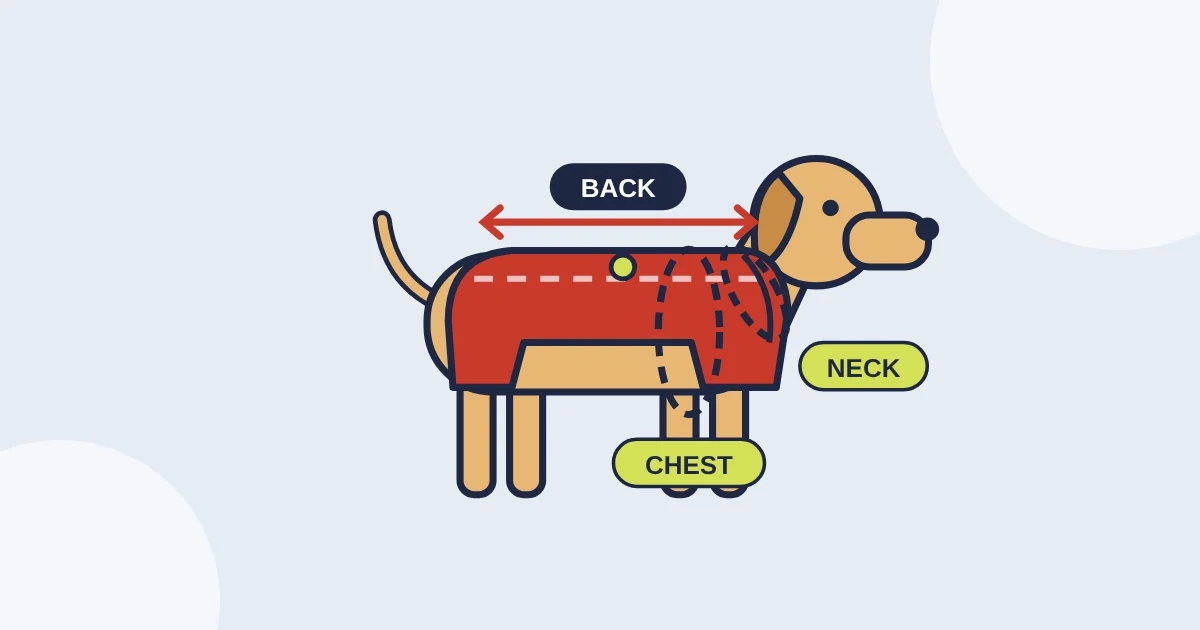
- A sweater or coat for small, short-haired or senior dogs, indoors on cold nights too: dog coat size guide.
Our picks
Affiliate note: some links in this guide go to Amazon. As an Amazon Associate we earn from qualifying purchases, at no extra cost to you. We choose products for fit, safety and specifications, not for the commission.
Instead of the heater: K&H Thermo-Kitty Bed
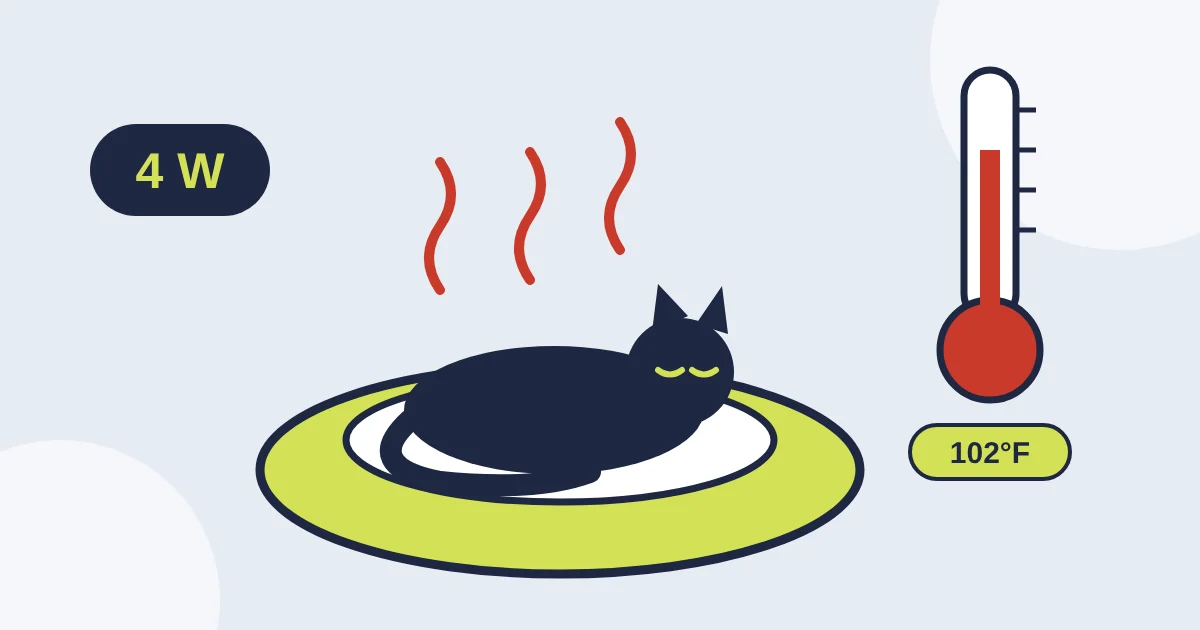
A soft-walled bed with a 4-watt thermostatic heater that warms only when your cat is inside, so a cat gets a warm spot without lying against a space heater. The heater lifts out so you can wash the cover.
- Good for older cats who seek out warmth; comes in two sizes.
- Downside: the cord still needs to be out of reach of chewers.
No cord at all: K&H Self-Warming Pad
A plush pad with a reflective layer that sends your pet’s own body heat back. No electricity and no cord, so it works in a crate. Sized for cats and small dogs up to about 20 pounds.
Check on AmazonKeep pets back: Amazon Basics Foldable Exercise Pen
An octagonal metal pen you can use to fence off a heater, so a curious dog cannot lie against it or knock it over. Fold it flat when the heater is put away.
Check on AmazonFrequently asked questions
Can I leave a space heater on for my dog while I am at work?
No. Fire safety groups advise never leaving a space heater running unattended. If your home gets too cold for your pet, use a heated or self-warming bed, a coat for your dog, or set the thermostat a little higher.
Why does my cat sit right next to the heater?
Cats like warmer temperatures than people and seek out heat. They can still get burned, so give them a safer warm spot, such as a heated cat bed, and keep the heater 3 feet from anything they can lie on.
Are oil-filled radiators safe for pets?
They are among the safer options because there is no exposed element or glowing coil, but the surface still gets hot. Keep pets from lying against one and choose a model with tip-over and overheat protection.
Can a dog knock over a space heater?
Yes, easily. That is why tip-over shut-off matters, and why a pen or gate around the heater helps with big or playful dogs.
How do I know if my pet has a burn?
Look for singed fur, red or blistered skin, or a spot your pet keeps licking. Call your vet even if it looks small, because burns can worsen over a few days.