 By
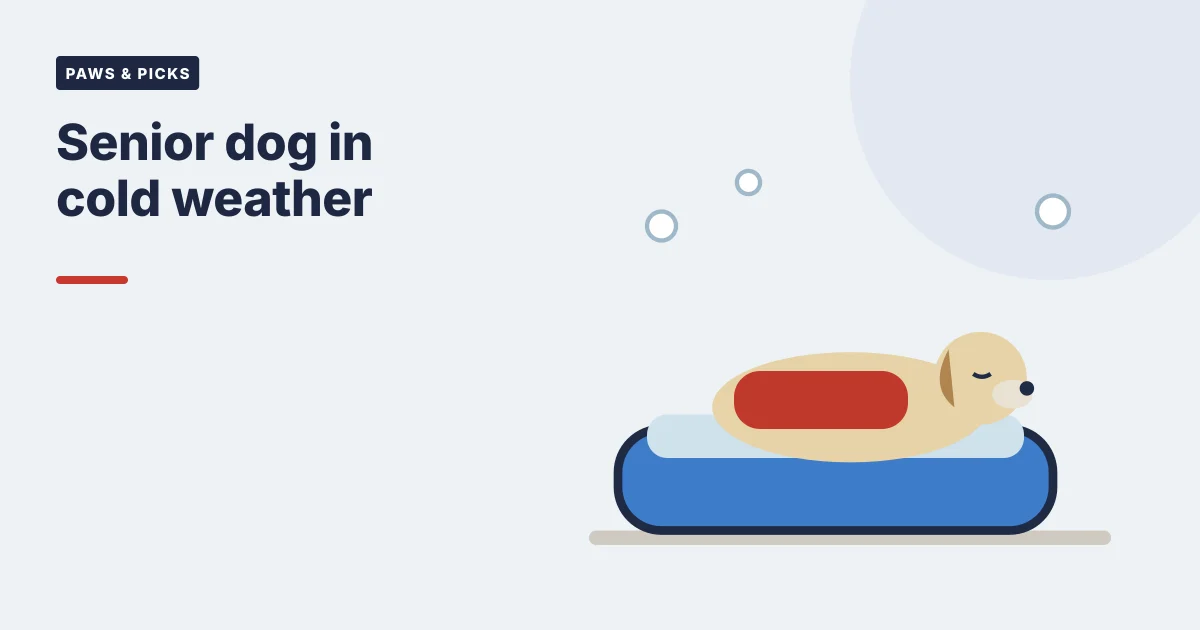
Short answer: Older dogs, small dogs and dogs with arthritis feel the cold more. In winter, shorten walks and go more often, walk in the warmest part of the day, use a coat for thin-coated or small dogs, and give them a thick orthopedic bed off the cold floor. Add rugs or runners on slippery floors. If your dog is limping, slow to get up, avoiding stairs or licking a joint, see your vet: there are safe dog-specific pain treatments. Never give human pain medicine.
Affiliate note: some links in this guide go to Amazon. As an Amazon Associate, Paws & Picks earns from qualifying purchases. It never changes what I recommend.
Teya is getting older, and the first cold morning of the year is when I notice it most: a slower stretch out of bed, a pause before the step down to the yard.
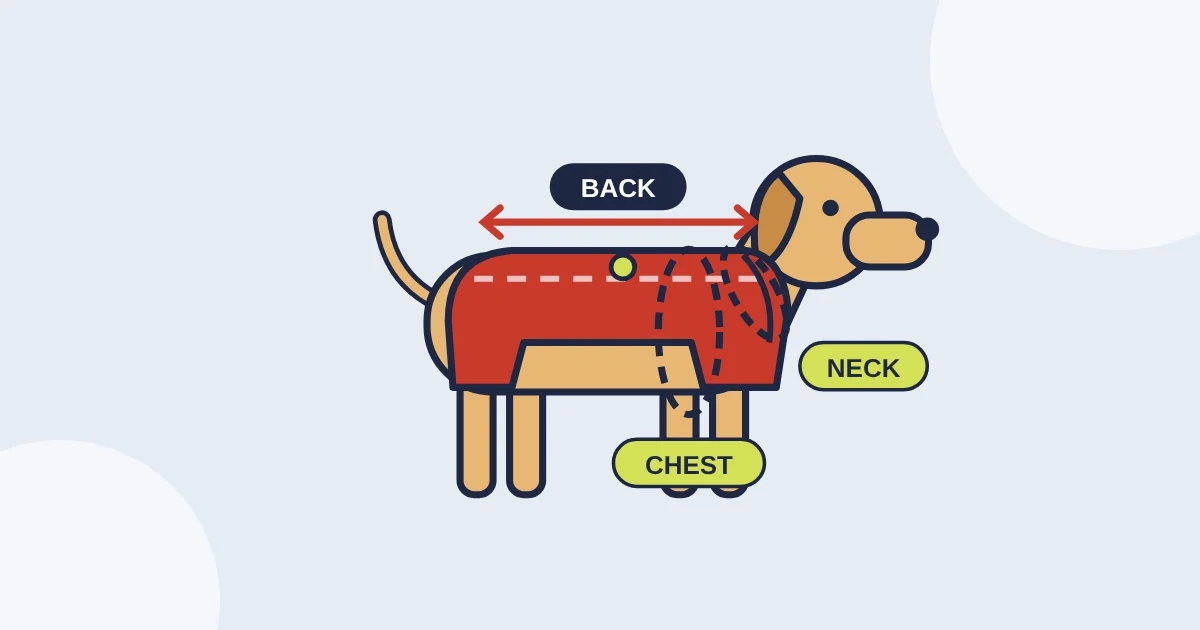
None of this replaces your vet, who can check for arthritis and other causes. For how cold is too cold, see how cold is too cold to walk a dog, and for coats, the dog coat size guide.
Winter walk planner
Why older dogs feel the cold
Older dogs often have less muscle and body fat, may have arthritis that stiffens in the cold, and can have health conditions that make it harder to keep warm. Small breeds and short-coated breeds lose heat fastest.
At home: bed, floors and stairs
- A thick orthopedic or memory-foam bed, raised off cold tile or concrete and away from drafts.
- A self-warming bed or a pad made for dogs, not a human heating pad. See heated vs self-warming dog beds.
- Rugs and runners on slippery floors, and nail and paw-fur trims for better grip.
- Ramps or steps for the couch, bed and car.
- Keep food and water where they don't need stairs.
Winter walks
- Shorter and more often is easier on stiff joints than one long walk.
- Warm up indoors with a few minutes of gentle movement before going out.
- Walk midday when it's warmest, and avoid ice.
- Wipe paws after salted sidewalks; pet-safe ice melt at home.
When to see the vet
Limping, slowness getting up, avoiding stairs or jumping, licking a joint, irritability when touched, and shivering when it's not very cold are worth a vet visit. Vets can prescribe dog-specific pain and arthritis treatments. Never give human pain relievers like ibuprofen, naproxen or acetaminophen: they can be toxic to dogs.
Picks
Teya sleeps on a memory-foam bed with bolsters; the rest are picked from specs and owner reviews.
Big Barker or similar orthopedic dog bed
Thick foam that doesn't flatten, raised off a cold floor.
- Big beds are pricey.
- Covers on cheap ones pill quickly.
Who should skip it: Skip it if your dog prefers sprawling on a flat mat; get a thick flat one instead.
Check price on AmazonNon-slip rug runners
Gives an older dog traction from the bed to the door.
- Some slide without a rug pad.
Who should skip it: Skip it if your floors are carpeted.
Check price on AmazonSelf-warming pet pad
Reflects body heat back; safe to leave on all day.
- Thin; best on top of a bed.
Who should skip it: Skip it for dogs that overheat easily.
Check price on AmazonDog ramp or pet steps
Saves stiff joints from jumping up and down.
- Some dogs need training to use them.
- Ramps take floor space.
Who should skip it: Skip it if your dog no longer goes on furniture.
Check price on AmazonShopping for Black Friday? Add your pick to your Amazon cart now, so you can check the price again on November 27 and buy when it drops. Price ranges here are typical recent prices, not quotes.
Frequently asked questions
Do older dogs feel the cold more?
Yes. Senior dogs often have less muscle and fat and may have arthritis, so they feel the cold more and stiffen up.
How long should I walk a senior dog in winter?
Shorter and more often. Many older dogs do better with two or three 10- to 15-minute walks than one long one; adjust for size, coat and temperature.
Can I give my dog ibuprofen for stiff joints?
No. Human pain relievers can be toxic to dogs. Ask your vet about dog-specific treatments.
Does my old dog need a coat?
Small, thin-coated and senior dogs often benefit from a coat in cold weather. Thick double-coated breeds usually don't need one.