 By
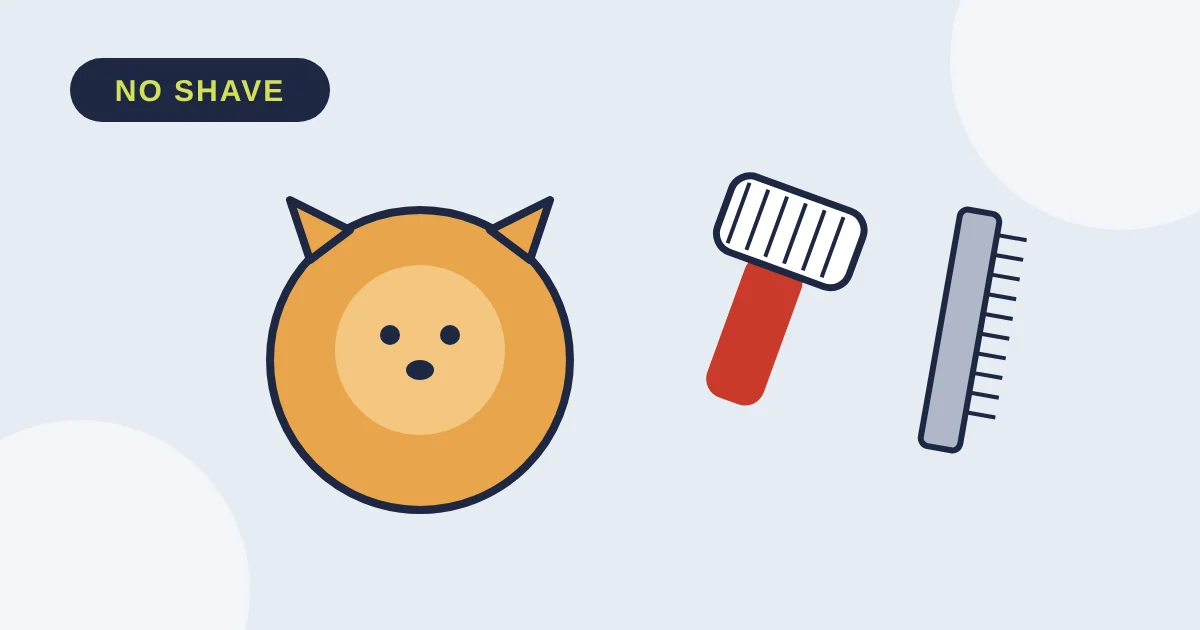
Short answer: brush a Pomeranian a few times a week, and every day while it’s shedding. Use three tools in this order: a slicker brush to loosen the undercoat, a pin brush to fluff and finish, and a metal comb to check that you reached the skin. Brush in small sections, lifting the coat and working from the skin out (line brushing), and pay extra attention behind the ears, under the legs and around the “pants”. Don’t shave a Pomeranian: a shaved double coat can grow back slowly, patchy or not at all.
A note from Helen: Teya, our small Pomeranian girl, is the reason I wrote this. A Pom’s coat looks like one big cloud, but it’s two coats, and the soft one underneath is where the mats start. This guide isn’t a product test on Teya. The coat and shaving facts come from Pomeranian breed resources and groomers, and the product details and complaints from Amazon listings and their review summaries, checked October 26, 2026. If your dog has bald patches or a coat that isn’t growing back, see your vet.
Why a Pom’s coat needs a system
A Pomeranian has a double coat: a dense, soft undercoat close to the skin and longer, straighter guard hairs on top. Together they insulate, and protect the skin from sun, bites and scrapes. The undercoat sheds all year and heavily once or twice a year, when Poms “blow” their coat. Loose undercoat that isn’t brushed out gets trapped under the guard hairs and felts into mats, often where you can’t see them from the top.
That’s why brushing only the surface doesn’t work. A Pom can look fluffy on top and be matted at the skin.
The three tools you need
| Tool | What it does | Use it | Careful |
|---|---|---|---|
| Slicker brush | Fine bent wire pins pull loose undercoat out | First, section by section | Light pressure: scraping the skin with a slicker causes “brush burn” |
| Pin brush | Long, round-tipped pins fluff and separate the guard hairs | After the slicker, all over | Doesn’t remove much undercoat on its own |
| Metal comb (wide and fine teeth) | Finds tangles the brushes missed | Last: if the comb glides to the skin, you’re done | Hold the hair at the base when you work a tangle out |
An undercoat rake can help during a heavy shed, but with a small dog and thin skin, start with these three.
How to brush a Pomeranian, step by step
- Lightly mist the coat with water or a grooming spray. Brushing a bone-dry coat breaks hair and makes static.
- Start at the back legs and “pants”. With your free hand, lift a layer of coat. Brush the hair below the parting with the slicker, from the skin outward, in short strokes.
- Work in lines up the body. Drop a new layer from above, part it, and repeat. This is line brushing: you always see the skin at the parting, so you know you’re reaching the undercoat.
- Do the tricky spots: behind the ears, the armpits, the chest, under the tail and the feathering on the legs. These mat first.
- Finish with the pin brush all over, brushing against the direction of growth on the body to get the classic Pom stand-up look, then smoothing the face and legs.
- Comb test. Run the metal comb through every area. Where it catches, go back with the slicker.
- Short sessions. For a dog who wriggles, do one side today and the other tomorrow. A treat at the end helps.
How often: a weekly plan
| Season | Full brush | Quick check |
|---|---|---|
| Normal weeks | 2–3 times a week | Ears, armpits and pants every couple of days |
| Shedding (“blowing coat”) | Every day | After every walk |
| Wet or snowy weather | When fully dry | Dry the legs and belly after walks; damp hair mats faster |
| After a bath | Brush out while blow-drying | — |
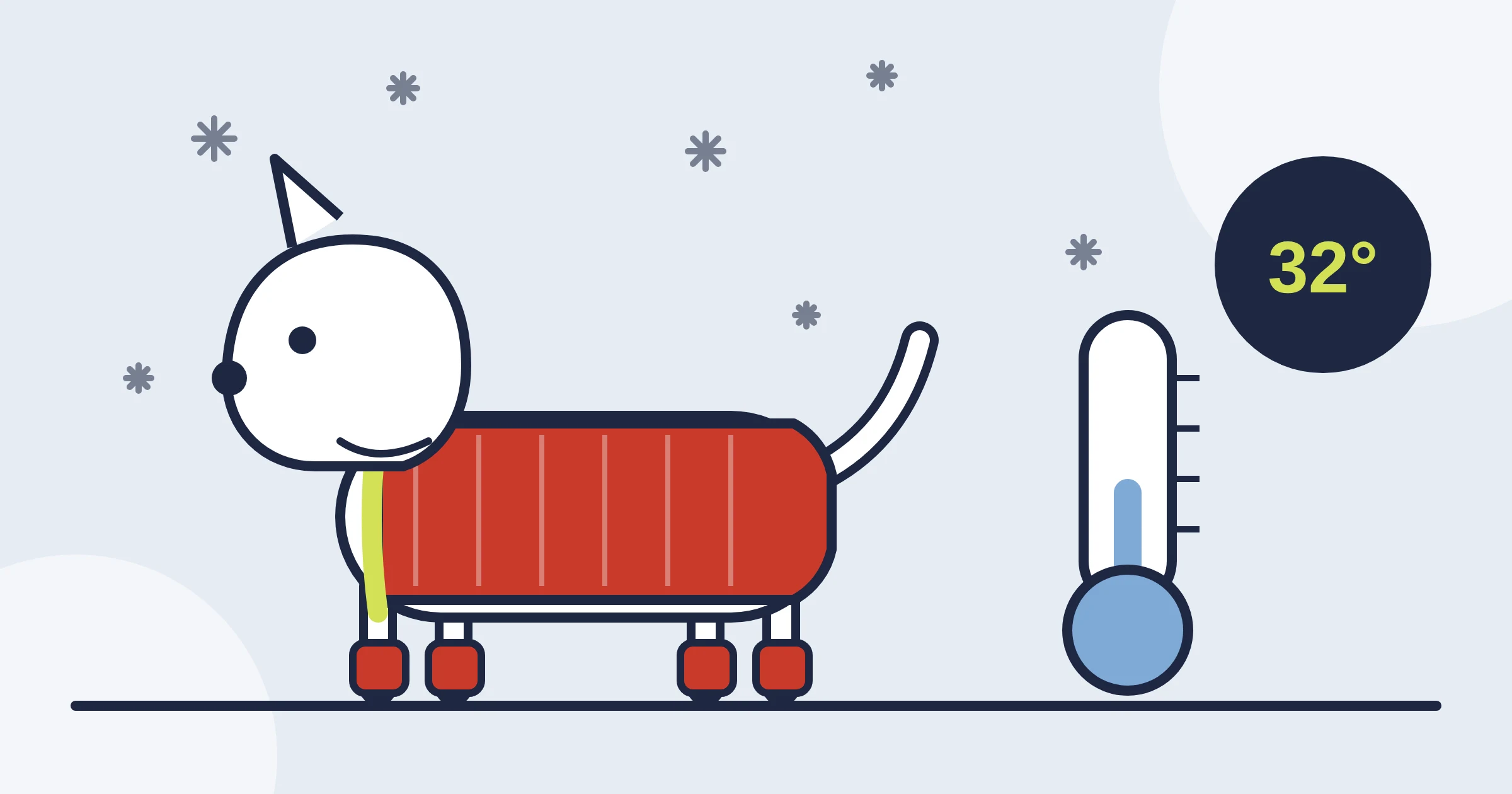
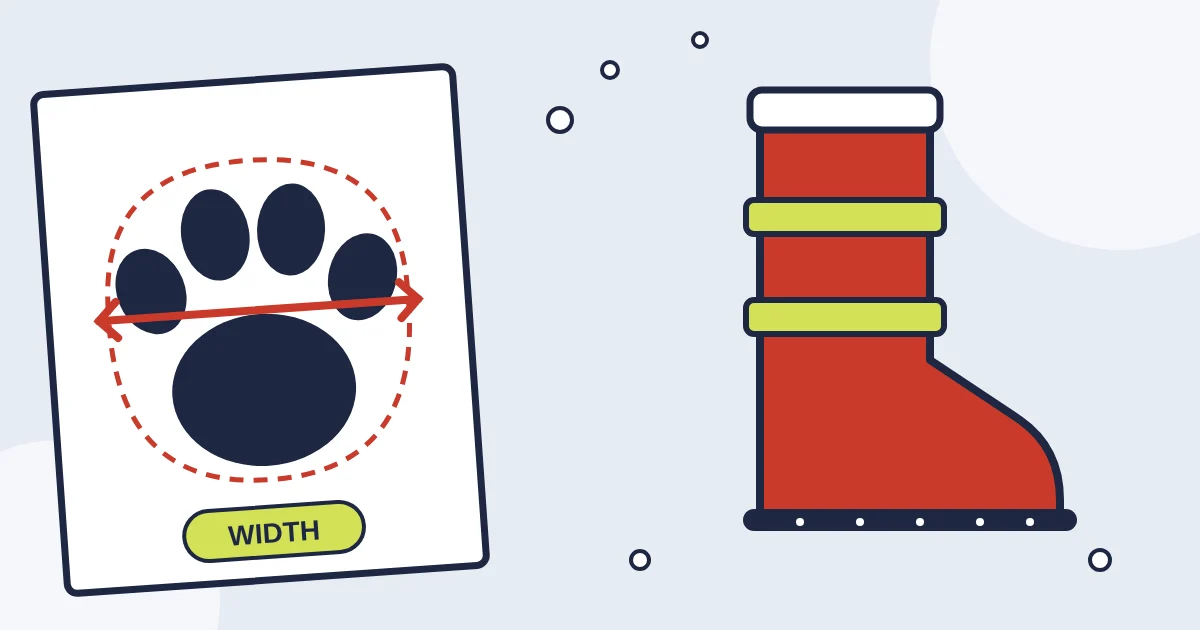
Walking in winter? Our guide to how cold is too cold to walk a dog has a chart for small dogs, and our dog coat size guide helps if your Pom needs one.
Mats and tangles
- Small tangles: hold the hair between the tangle and the skin so you don’t pull, then pick the tangle apart from the outside in with the end teeth of the comb.
- A detangling spray or a little cornstarch helps the hairs slide apart.
- Never cut a mat out with scissors close to the skin; it’s very easy to cut the skin under it.
- A mat pressed flat against the skin, or many mats, is a job for a groomer, who may clip just that area.
Why you shouldn’t shave a Pomeranian
It’s tempting in summer, or when the coat is matted, but a full shave is a gamble with a Pom. Breed resources and groomers warn that a close-clipped Pomeranian coat can grow back unevenly, with a different texture, or very slowly. Delayed regrowth after clipping is common enough to have a name, post-clipping alopecia, and in some dogs it takes a year or two to recover. Shaving also doesn’t stop shedding (the hairs are just shorter) and leaves the skin open to sunburn.
A trim for tidiness, around the feet, the rear and the ears, is fine. If your Pom has bald patches or the coat doesn’t come back after a few months, see your vet: thyroid problems, Cushing’s disease, skin infections and a condition called Alopecia X can all cause hair loss in Poms.
Bathing and drying
- Brush out before a bath. Water tightens mats.
- Bath when needed, not on a schedule; for many Poms that’s every few weeks.
- Dry completely, brushing as you blow-dry on a cool or warm setting. A Pom left to air-dry stays damp at the skin for hours.
Brushes worth buying
Affiliate note: some links in this guide go to Amazon. As an Amazon Associate we earn from qualifying purchases, at no extra cost to you. We choose products for fit, safety and specifications, not for the commission.
All three cost less than one professional groom. If you’re waiting for Black Friday, add them to your Amazon cart now so they’re easy to find when deals start.
How I chose
- I picked one tool for each step of line brushing, sized for a small dog.
- I read Amazon’s review topic counts for each on October 26, 2026 and list the complaints.
- Teya hasn’t been tested with these exact brushes; picks are based on specifications and owner feedback.
Step 1: Hertzko Self-Cleaning Slicker Brush
A slicker with fine, angled wire bristles and a button that retracts them, so the fur you pulled out slides off in one piece. It’s the most reviewed brush of its kind, and it’s small enough for a Pom.
- Ease of cleaning: 6,454 of 6,513 mentions positive.
- Hair removal: 4,427 of 4,913 positive.
- The retract button: 533 of 1,327 mentions negative, sticking or wearing out.
- Hair removal: 486 negative, mostly from owners of very thick or very short coats.
Skip it if you press hard: any slicker scrapes skin. Use light, short strokes.
Check it on AmazonStep 2: BioSilk for Pets Detangling Pin Brush
A light pin brush with long, round-tipped pins for fluffing and finishing the guard hairs after the slicker has done the undercoat. It’s the tool that gives a Pom its stand-up look.
- Brush quality: 438 of 474 mentions positive.
- Soft on skin: 160 of 186 bristle-softness mentions positive.
- Hair removal: 48 of 179 negative. That’s expected: a pin brush finishes, it doesn’t deshed.
- Effectiveness: 43 of 206 negative.
Skip it if you only want one brush; start with the slicker and comb.
Check it on AmazonStep 3: Andis 65730 Stainless-Steel Comb
A 7.5-inch metal comb with wide teeth at one end and fine at the other, and rounded tips. Run it through after brushing: where it catches, there’s a tangle you missed.
- Durability: 391 of 417 mentions positive.
- Tangle-free: 148 of 151 positive.
- Comfort: 21 of 106 negative, mostly that there’s no handle.
- Very few other complaints.
Skip it if you already have a good metal comb.
Check it on AmazonGrooming checklist
Pomeranian brushing checklist
Frequently asked questions
How often should you brush a Pomeranian?
A full brush two or three times a week, plus quick checks of the ears, armpits and pants in between. During a heavy shed, brush every day.
What brush is best for a Pomeranian?
Three tools work best together: a slicker brush for the undercoat, a pin brush to fluff and finish, and a metal comb to check that you reached the skin.
Should you shave a Pomeranian?
No. A shaved Pomeranian coat can grow back unevenly, with a different texture, or very slowly. A tidy trim around the feet, rear and ears is fine.
Why is my Pomeranian matting?
Loose undercoat gets trapped under the long guard hairs and felts together, especially behind the ears, in the armpits and around the rear. Brushing only the top layer misses it; line brushing reaches the skin.
How do you get mats out of a Pomeranian?
Hold the hair between the mat and the skin, use a detangling spray, and work the mat apart from the outside in with the end of a comb. Don't cut mats out near the skin; ask a groomer for tight mats.
Paws & Picks is a participant in the Amazon Services LLC Associates Program. As an Amazon Associate we earn from qualifying purchases. Product details can change; check the current listing before you buy.
Sources
- Pomeranian Headquarters: shaving a Pomeranian and post-clipping alopecia
- American Kennel Club: Pomeranian breed information
- Amazon product listings and review summaries for the brushes above, checked October 26, 2026.