 By
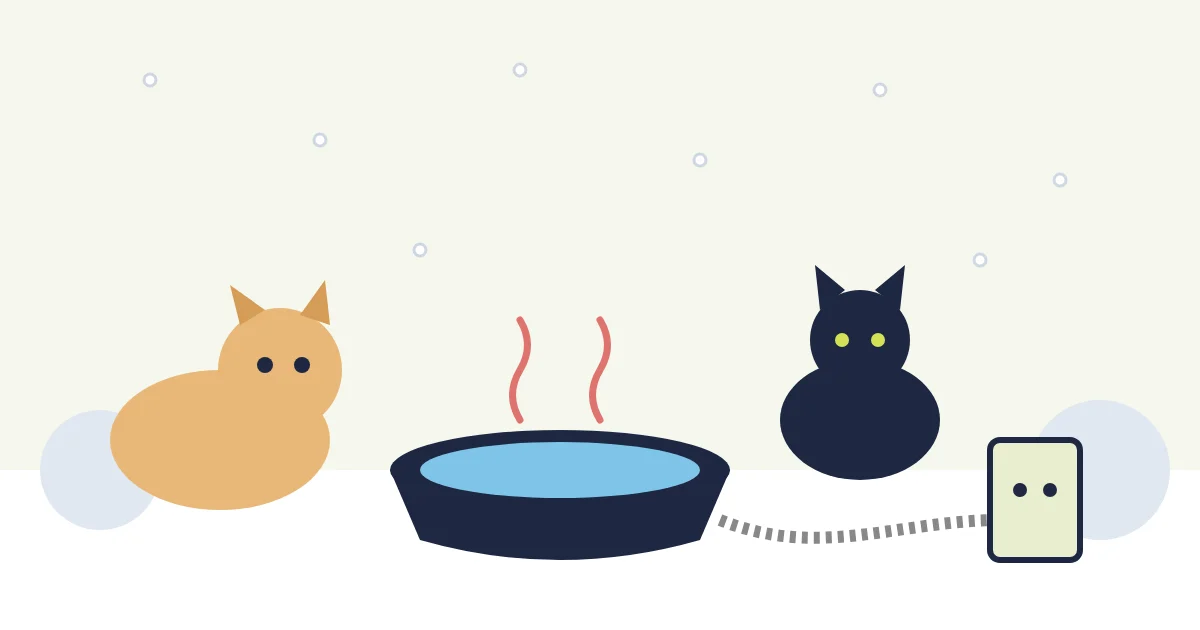
Short answer: if your dog spends time outside, or you feed outdoor or community cats, a thermostatically controlled heated bowl keeps water liquid below 32°F and usually costs a few dollars a month to run. Choose one with a chew-resistant or steel-wrapped cord, plug it into an outdoor GFCI outlet, keep it out of reach of puppies that chew, and still check it twice a day. Indoor pets don’t need one.
A note from Helen: Teya and Tim are indoor pets, and they come with us when we travel, so we haven’t used a heated bowl ourselves. I wrote this for the people who asked about dogs that spend the day in a yard or kennel, and for neighbors who feed porch cats. Picks are based on specs, safety guidance and what owners report in reviews.
Do you need one?
| Situation | Heated bowl? | Why |
|---|---|---|
| Dog outside for hours on freezing days, kennel or dog run | Yes | Dogs can’t get enough water from licking ice or eating snow |
| Outdoor, barn or community cats | Yes | Often the only reliable water they get in a freeze |
| Unheated garage or mudroom | Often | Garages in cold climates drop below freezing overnight |
| Short potty trips, water indoors | No | Keep the water inside; a regular bowl is fine |
| Indoor-only pets | No | Room-temperature water; a fountain or bowl works |
A dog left outside in a freeze needs more than water: shelter from wind, dry bedding and limits on time outside. Our guide on how cold is too cold for a dog has a chart by size and coat.
Running cost calculator
What will it cost per month?
Find the watts on the label or listing. Nothing you type leaves your browser.
The temperature choice is an estimate of how often the thermostat keeps the heater on. Wind, shade and a shallow bowl push it up; an insulated base and a sheltered spot bring it down. For a household-wide view of what runs up the bill, see our sister site’s guide to standby power.
Cord and outlet safety
Puppies and chewers: if your dog chews cords, don’t leave any plug-in bowl where it can reach the cord unsupervised. Use a non-electric option and change the water more often instead.
What to buy
Affiliate note: some links in this guide go to Amazon. As an Amazon Associate we earn from qualifying purchases, at no extra cost to you. Teya and Tim haven’t used these products: picks are based on specs, safety information and owner reviews.
The common pick: K&H Thermal-Bowl
A long-selling heated plastic bowl with a built-in thermostat, made in several capacities for cats, small and large dogs. Many versions list a chew-resistant, steel-wrapped cord; check the listing for the size you pick. It keeps water from freezing rather than warming it.
- The plastic can crack after a few seasons, and some owners report failures after the first winter.
- In bitter cold and wind, a thin ice ring can still form at the edges.
Skip it if your dog flips bowls: look for a heavier bowl or one that mounts to a wall or fence.
Check it on AmazonFor big dogs and multi-pet yards: a large heated bucket or bowl
Bigger dogs drink a lot, and a larger volume freezes more slowly. Heated buckets made for farms and kennels hold far more water and are harder to tip.
- Short or unprotected cords on some cheaper models.
- Hard to clean if the heating element is built into the bottom.
Add-on: a chew-resistant cord protector
Spiral or metal cord protectors slow a curious chewer down. They are a backup, not a substitute for keeping the cord out of reach.
See cord protectors on AmazonNo outlet? Options that don’t plug in
- Insulated, deep bowls or a bowl inside a foam-lined box slow freezing; they don’t stop it.
- A black bowl in the sun helps on clear days.
- Two bowls on rotation: bring one in to thaw while the other is out, and swap morning and evening.
- Never add salt, sugar or antifreeze to keep water liquid. Antifreeze is deadly to pets, even “pet-safer” formulas.
Frequently asked questions
Are heated pet water bowls safe?
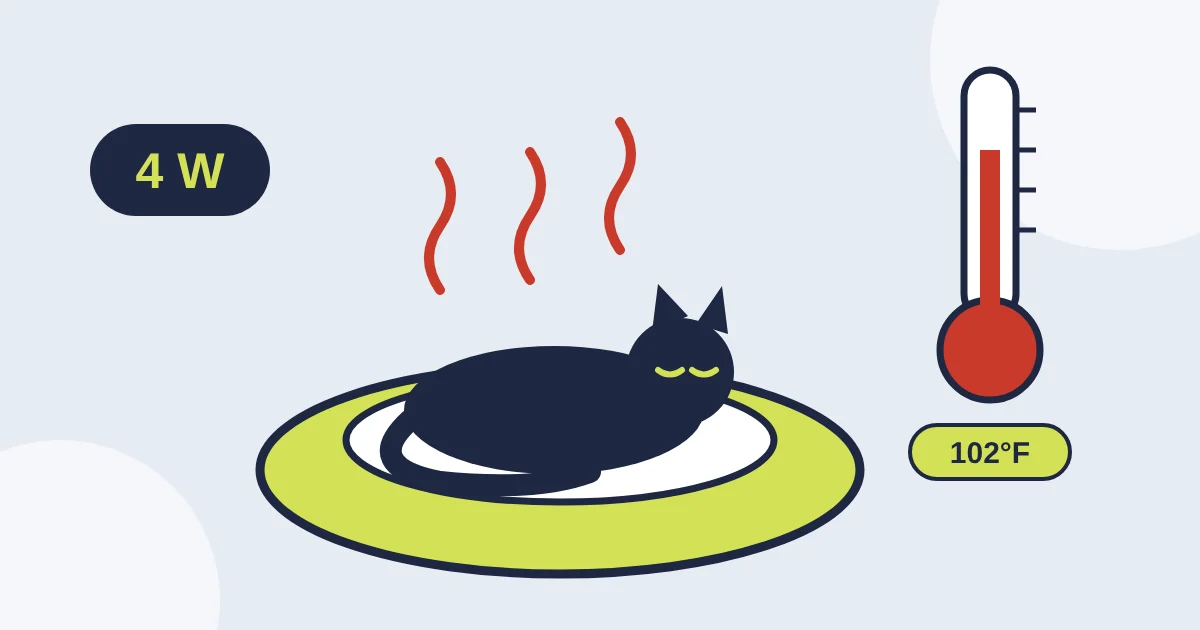
Bowls made for pets are designed to warm the water only slightly above freezing, not to make it hot, and most use a thermostat so they only heat when it’s cold. The main risks are the cord and the outlet: use a chew-resistant or steel-wrapped cord, an outdoor GFCI outlet and, if needed, an outdoor-rated extension cord. Don’t use one with a pet that chews cords unsupervised.
How much electricity does a heated pet bowl use?
Pet bowls are low-wattage, typically tens of watts, and the thermostat cycles them on and off, so they rarely run all day. Check the watts on the label and use the calculator in this guide; at typical U.S. electricity prices most cost a few dollars a month in a cold month.
At what temperature does a dog’s outdoor water bowl freeze?
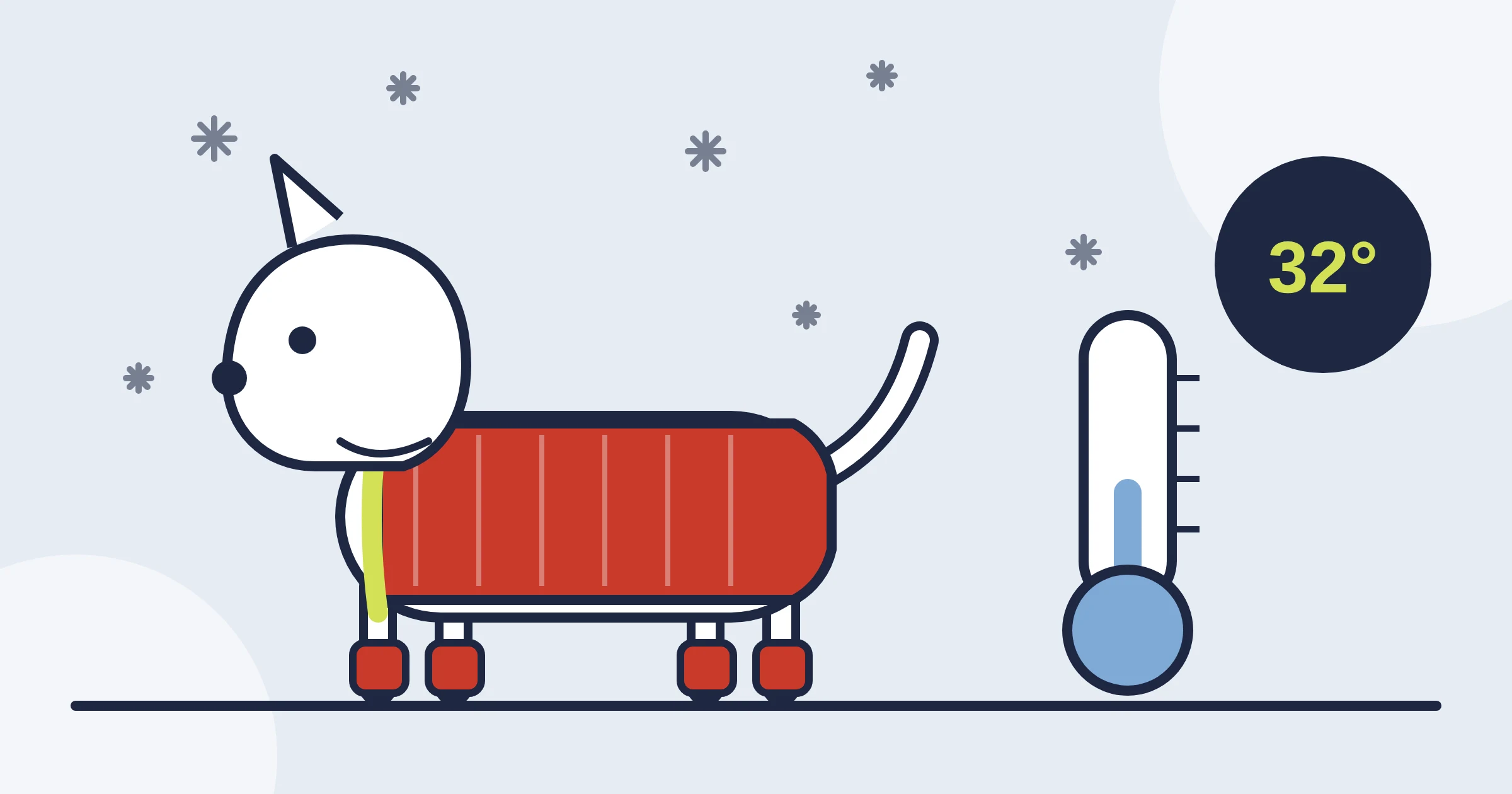
Water starts to freeze at 32°F (0°C). A shallow bowl in wind can skim over with ice within an hour or two below freezing, and freeze solid overnight. Deeper, insulated bowls buy time but don’t stop it.
Can I use a heated bowl indoors?
You can, but you rarely need to. Indoors, a regular bowl or a fountain is fine. Heated bowls make sense in a garage, a barn, a porch, a dog run or anywhere outdoor and community cats drink.
Do cats need a heated water bowl?
Indoor cats don’t. For cats that live partly outdoors, barn cats or community cats you feed on a porch, a heated bowl is one of the most useful winter purchases, because snow and ice are poor substitutes for liquid water.