 By
Short answer: Most indoor-cat boredom in winter fixes itself with two or three short play sessions a day, 5 to 15 minutes each, that end with a "catch" and a small meal, plus something to watch (a window perch) and food that takes work (a puzzle feeder). Wand toys beat battery toys, and rotating toys keeps them new.
Affiliate note: some links in this guide go to Amazon. As an Amazon Associate, Paws & Picks earns from qualifying purchases. It never changes what I recommend.
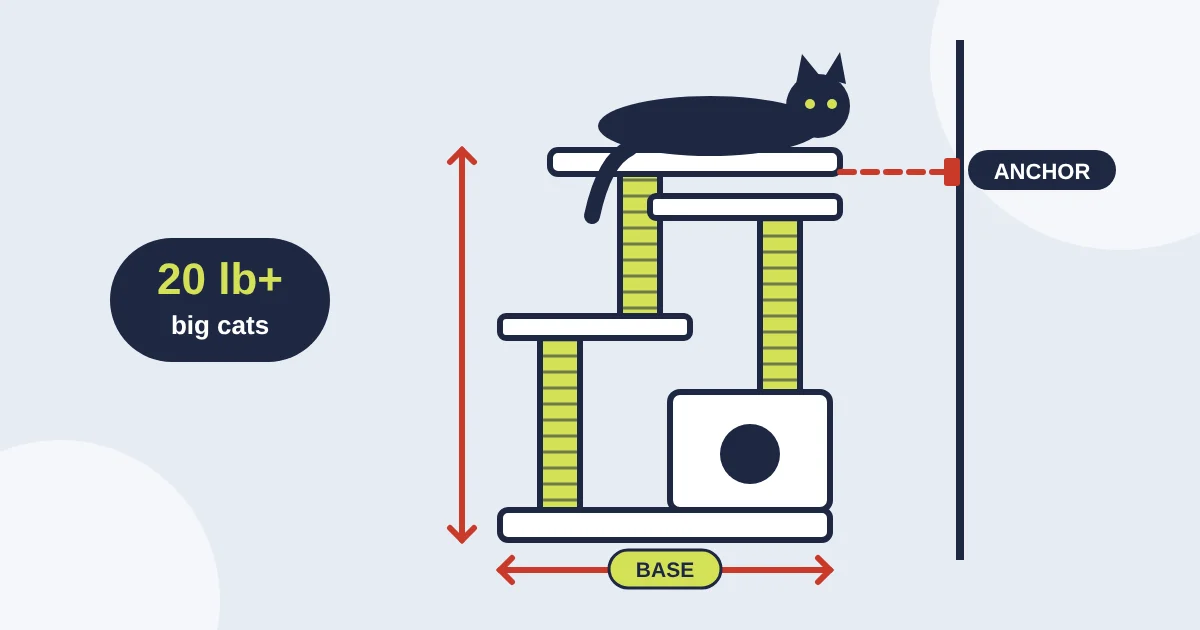
Tim, our cat, is big and black, and he's the reason this guide leans toward sturdy gear: a large cat needs perches rated for real weight and wand toys with thick rods. Everything here is chosen for the short, dark days of winter, when there's less happening outside the window and more energy left over at night.
Boredom in cats doesn't look like boredom. It looks like ankle ambushes, 3 a.m. zoomies, knocking things off counters and begging for food. Start with the checker, then set up the routine. It costs less than a bag of treats.
Boredom checker
The 15-minute play plan
Cats are built for short bursts of hunting followed by a meal and a nap. A good play session copies that: hunt, catch, eat, groom, sleep. The Ohio State University's Indoor Pet Initiative has a whole section on giving indoor cats outlets for that instinct.
| When | What | Minutes |
|---|---|---|
| Morning, before breakfast | Wand toy: let it "run" along the floor and hide behind furniture | 5 |
| After work | Puzzle feeder with part of the daily food | 5–10 |
| Before bed | Wand play until the cat is panting lightly, then a final "catch" and a small meal | 10 |
- Let them win. Every session ends with the toy caught. If you use a laser pointer, finish on a toy they can grab, so the hunt has an ending.
- Move like prey. Away from the cat, not at it; pause, twitch, hide.
- Feed after the last session. A small meal after bedtime play is the most reliable fix for 3 a.m. zoomies.
- Put wand toys away after play: strings can be swallowed.
Make the window worth watching
In winter, the window is a cat's TV, and it gets boring when nothing moves outside. A window perch at the brightest window, with a bird feeder a few feet beyond the glass, gives hours of watching. For big cats, choose a perch with support legs or a high weight rating, and clean the glass with rubbing alcohol before attaching suction cups: they slip on cold, dirty glass.
Food that takes work
Cats that eat from a bowl finish in a minute. A puzzle feeder or a few treat balls turn part of the daily food into a 10-minute job, which helps both boredom and weight. Use food from the daily ration, not extra treats. Start easy so your cat succeeds in the first minute, then make it harder.
Water counts too: some cats drink more from moving water. Tim drinks from a cat water fountain at home; if you're choosing one, read our guide to cat water fountain problems first.
Rotate, don't buy more
A basket of 20 toys on the floor is a basket of 20 boring toys. Keep three or four out, put the rest in a closed box, and swap them every week. Old toys feel new again. If your cat reacts to catnip, a catnip toy brought out once a week is a reliable treat; not every cat responds to it. When boredom signs come with appetite changes, weight loss or bald patches, see your vet first: those can be medical.
Picks
Tim hasn't tested these exact products; picks are based on materials, size and owner reviews, with an eye on big cats.
Go Cat Da Bird feather wand
A swivel feather on a long pole that flies like a real bird. The classic wand toy for a reason; refills are cheap.
- Feathers wear out quickly with strong cats.
- The string tangles in storage.
Who should skip it: Skip it if nobody in the house will play for at least 5 minutes a day.
See options on AmazonMeoHui feather wand set with refills
Two wands and a bag of attachments, so you can rotate textures: feathers, bells, worms.
- Thinner rods than premium wands.
- Bells can be loud at night.
Who should skip it: Skip it if you already have a favorite wand.
Check it on AmazonCatit Senses 2.0 Digger puzzle feeder
Tubes of different heights that cats fish kibble out of with a paw. Slows eating and fills 10 minutes.
- Too easy for some clever cats after a week.
- Fiddly to wash.
Who should skip it: Skip it if your cat eats only wet food.
See options on AmazonCat window perch with support legs
A hammock-style perch rated for heavy cats, with legs that rest on the windowsill instead of hanging on suction cups alone.
- Suction cups slip on cold or dirty glass.
- Fabric covers fade in strong sun.
Who should skip it: Skip it if there's no window with something to watch.
See options on AmazonPetstages Tower of Tracks
Balls in three stacked tracks: a toy cats play with when you're busy, and cheap enough to rotate.
- Balls rattle loudly at night.
- Some cats lose interest after a few days unless you rotate it.
Who should skip it: Skip it if your cat only plays with you.
See options on AmazonYeowww! catnip banana
A long-running favorite stuffed with organic catnip; good for bunny-kicking, which big cats love.
- Catnip fades over weeks; store it in a zip bag.
- Some cats don't respond to catnip.
Who should skip it: Skip it if your cat never reacts to catnip.
Check it on AmazonShopping for Black Friday? Add your pick to your Amazon cart now, so you can check the price again on November 27 and buy when it drops. Price ranges here are typical recent prices, not quotes.
Frequently asked questions
How do I know if my indoor cat is bored?
Common signs are night zoomies, attacking ankles, knocking things off counters, overeating or begging, and new scratching. Overgrooming and appetite changes can also be medical, so check with your vet.
How much play does an indoor cat need?
Most cats do well with two or three play sessions a day of about 5 to 15 minutes each, ending with a catch and a small meal.
Are laser pointers bad for cats?
They can frustrate cats because the "prey" can never be caught. If you use one, finish each session on a toy your cat can grab.
Why is my cat more active at night in winter?
Long dark evenings and a sleepy day mean energy builds up. A play session and a small meal right before bed usually shift the activity to earlier.
What are the best toys for big cats?
Sturdy wand toys with thick rods, kicker toys for bunny-kicking, and window perches with support legs or a high weight rating.